Health Risks Associated With Birds and Bats on Your Property
Birds and bats on your property can pose health risks, but local service providers can help control their presence and reduce potential health hazards.
Visitors exploring concerns about health risks associated with birds and bats on their property are in the right place. These creatures can sometimes carry diseases or parasites that pose health hazards to humans and pets, especially when they roost close to living or working spaces. Property owners in the area may find it particularly important to understand these risks if they notice bird droppings, bat colonies, or signs of nesting on or around their property. Addressing these issues proactively can help prevent potential health problems and maintain a safe environment.
For those interested in safeguarding their property and health, local service providers offer effective birds and bats control solutions designed to manage and remove these pests safely. Professional assistance can help identify the presence of birds or bats and implement strategies to reduce health risks associated with their presence. Exploring these services can be a practical step toward creating a cleaner, healthier space while ensuring the problem is handled by experienced local contractors.
- Birds Control - when bird nests or droppings pose health risks on a property, local contractors can implement humane removal and deterrent methods.
- Bats Control - if bats roost in attics or wall spaces, service providers can safely exclude them to reduce potential health hazards associated with their presence.
- Birds and Bats Removal - when ongoing bird or bat activity raises concerns about disease transmission, local pros can perform targeted removal and sanitation.
- Birds and Bats Deterrent - to prevent future health risks related to birds and bats, contractors can install barriers and deterrents that discourage roosting.
- Wildlife Exclusion - in cases where health risks from birds and bats are identified, professionals can seal entry points to prevent entry and reduce contamination.
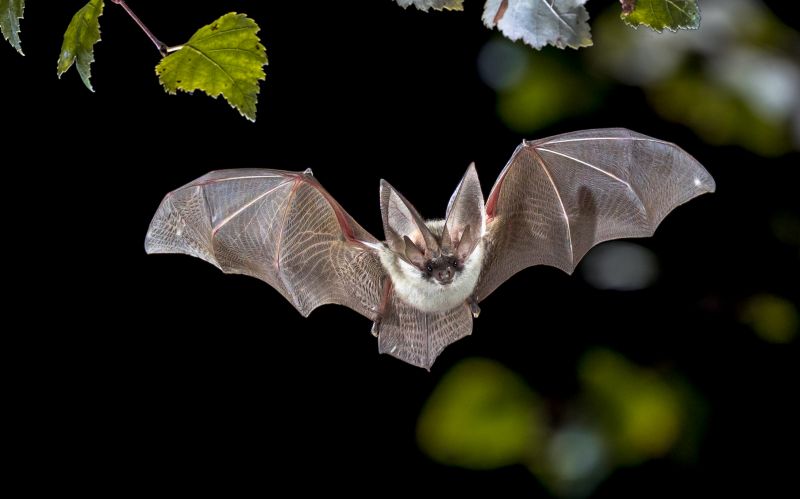
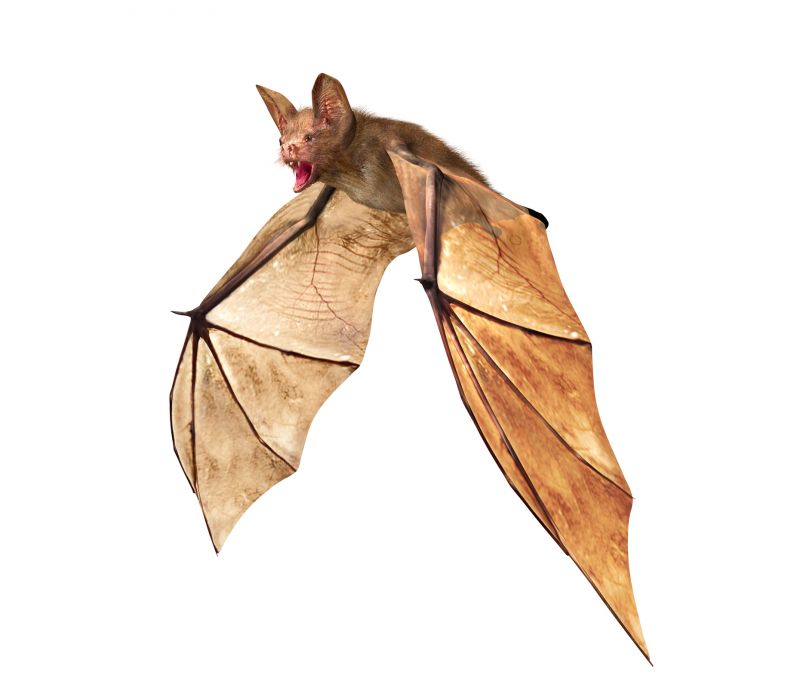
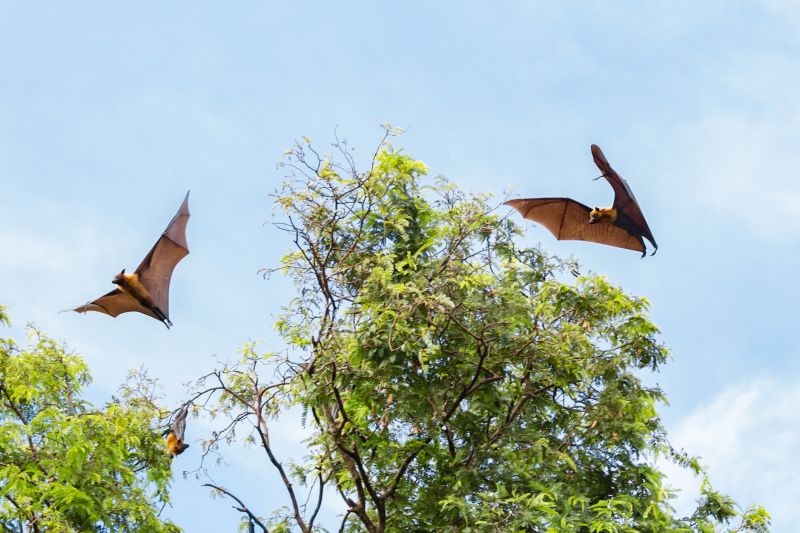
When people search for information about health risks associated with birds and bats on their property, they are often concerned about the potential dangers these animals can pose to their health and safety. Birds and bats can carry a variety of diseases that may be transmitted to humans, either directly through contact or indirectly via contaminated surfaces, droppings, or nesting materials. This search typically arises from noticing bird or bat activity around the home, such as droppings on the porch, nesting sites in eaves or attics, or visible signs of their presence. Homeowners want to understand how these animals might impact their health and what steps can be taken to reduce exposure and risk.
The problems related to these animals often involve the accumulation of droppings, nesting debris, and the presence of parasites like mites or fleas. These issues not only create unsightly messes but can also lead to health complications such as respiratory issues, allergies, or infections. For example, bird droppings can harbor bacteria and fungi that may cause respiratory illnesses, while bat guano can contain spores that lead to serious lung infections. Many property owners consider plans to remove or prevent nesting and roosting sites as part of their efforts to safeguard their family’s health. Local service providers specializing in birds and bats control can assess properties, identify potential health hazards, and implement solutions to minimize these risks effectively.
Properties most commonly affected by these concerns tend to be residential homes, especially those with accessible attics, eaves, or chimneys that offer ideal nesting spots. Commercial buildings, barns, and other structures with open or sheltered areas are also prone to attracting birds and bats. These animals often seek out quiet, sheltered locations to roost or nest, which can lead to significant buildup of droppings and debris over time. Homeowners and property managers with these types of properties should be aware that ongoing presence of birds and bats can increase health risks if not managed properly. Engaging local contractors experienced in bird and bat exclusion can help prevent these issues from developing into larger health concerns.
Understanding the connection between bird and bat activity and health risks on a property highlights the importance of professional intervention. Local pros can evaluate specific situations, identify potential hazards, and recommend effective control methods to prevent or reduce the presence of these animals. Proper exclusion and cleanup procedures are essential to minimize exposure to droppings, parasites, and disease-carrying pathogens. For homeowners, partnering with experienced service providers ensures that health risks associated with birds and bats on their property are addressed safely and efficiently, helping to create a healthier living environment.
Wildlife exclusion projects - these involve designing and installing barriers to prevent birds and bats from accessing structures, reducing potential health risks associated with their presence.
Pest proofing services - professionals focus on sealing entry points and removing nesting sites that can harbor disease-carrying pests related to bird and bat activity.
Rodent and pest control - managing rodents and insects that often accompany bird and bat infestations, helping to lower health hazards linked to these animals.
Nesting site removal - removing existing nests safely to prevent the spread of diseases and reduce exposure to droppings and pathogens.
Sanitation and cleanup services - cleaning and disinfecting areas contaminated with bird or bat droppings to minimize health risks associated with bacteria and fungi.
Structural repairs and sealing - fixing and sealing building openings to prevent future access, helping to mitigate health concerns related to wildlife intrusion.
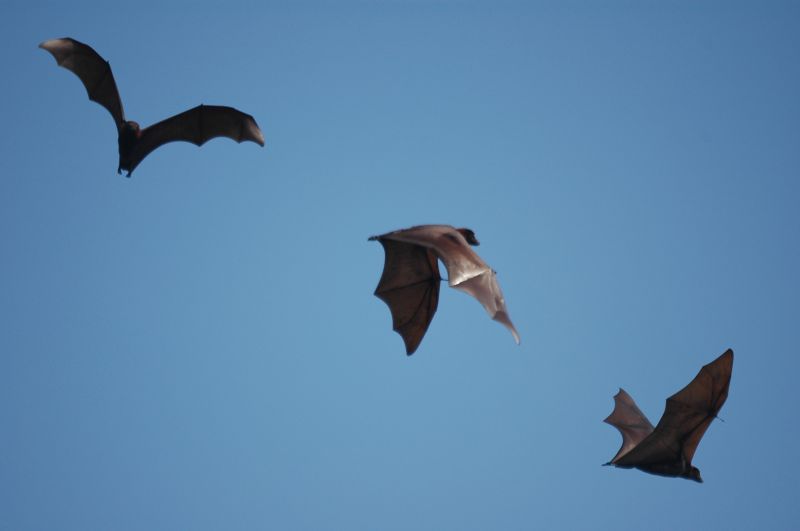
When evaluating service providers for birds and bats control, it’s important to consider their experience with similar projects. Local contractors who have handled properties with comparable issues are more likely to understand the specific health risks associated with birds and bats on your property. An experienced professional can identify potential problem areas, recommend effective removal and exclusion methods, and address health concerns such as droppings that may carry pathogens. Asking about their past work with properties similar to yours can provide insight into their familiarity with the challenges involved and their ability to manage the health risks effectively.
Clear, written expectations are essential when choosing a birds and bats control service. A reputable local contractor should be able to outline the scope of work, including inspection procedures, removal techniques, and exclusion measures, in a straightforward manner. This helps ensure there is mutual understanding of what services will be provided and how they address the health risks associated with birds and bats on your property. Well-documented plans also serve as a reference for future maintenance or follow-up work, reducing the chances of misunderstandings and ensuring that health concerns are adequately managed.
Good communication and reputable references are key indicators of a reliable service provider. A knowledgeable contractor should be willing to share references from previous clients, especially those with similar property types or issues. This can help gauge their track record in effectively handling bird and bat problems while prioritizing health and safety. Additionally, clear and responsive communication throughout the process demonstrates professionalism and a commitment to addressing your concerns about health risks. Choosing a provider who values transparency and has positive references can give confidence that the work will be performed diligently and with your health considerations in mind.
Property owners often search for health risks associated with birds and bats on your property when they are planning practical projects around their homes and businesses. Local pros provide Birds and Bats Control services for everyday jobs and straightforward project options.
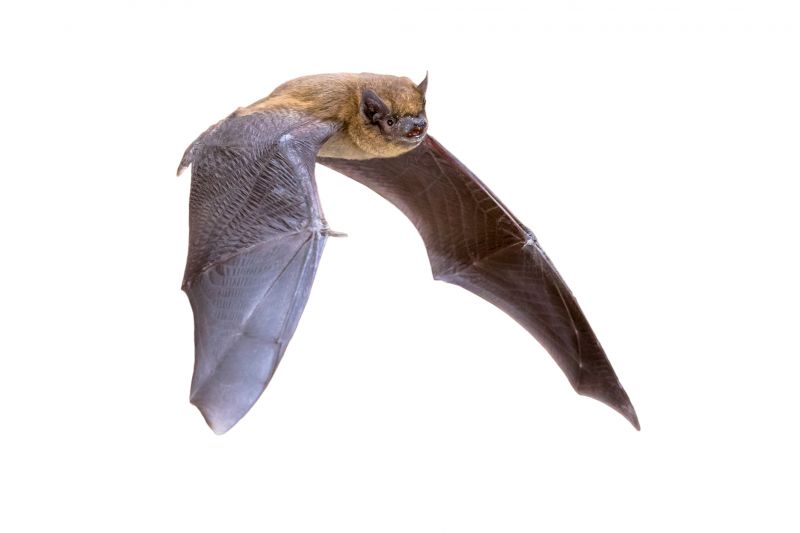
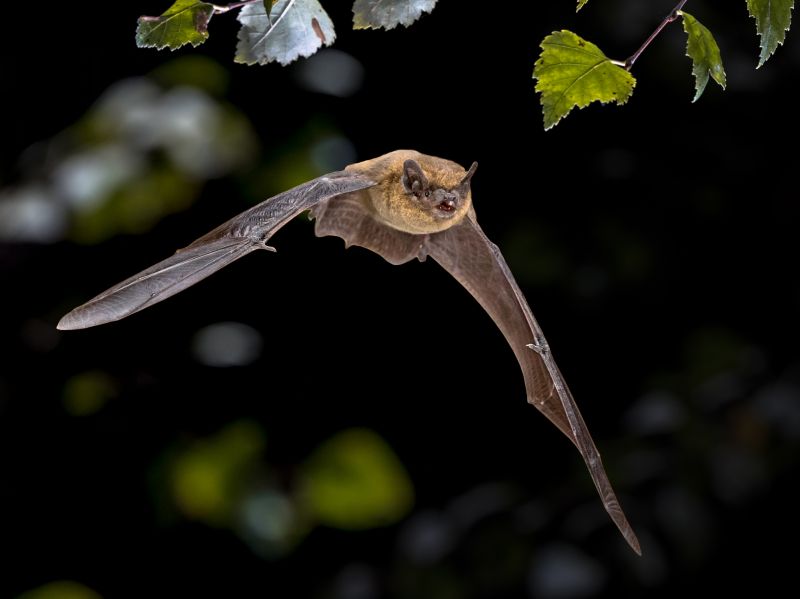
Birds and bats often choose to roost in attics, eaves, and other sheltered areas of residential properties, which can lead to a variety of health concerns for property owners. Their droppings and nesting materials can harbor harmful bacteria, fungi, and parasites, increasing the risk of respiratory issues, allergies, and other health problems for residents. Additionally, the presence of these animals can attract other pests, such as fleas and mites, further complicating health and sanitation concerns. Property owners noticing signs of bird or bat activity may consider reaching out to local contractors experienced in birds and bats control to address these risks safely and effectively.
Engaging with local service providers who specialize in birds and bats control can help mitigate potential health hazards by safely removing animals and preventing future infestations. These professionals can assess the property for entry points, remove existing nests and droppings, and install humane exclusion measures. Taking proactive steps with the help of experienced local contractors can reduce the health risks associated with birds and bats on your property, creating a cleaner, safer living environment.
What health risks are associated with birds and bats on my property? Birds and bats can carry diseases such as histoplasmosis, psittacosis, and rabies, which can pose serious health risks to humans. Local contractors can help identify and mitigate these hazards by safely removing bird and bat infestations.
How do birds and bats affect indoor air quality? Bird and bat droppings can release mold spores and bacteria into the air, potentially causing respiratory issues. Service providers can implement exclusion and cleanup measures to reduce airborne health risks.
Can birds and bats spread diseases to my pets? Yes, birds and bats can transmit diseases that may affect pets, such as rabies or fungal infections. Local experts can help prevent these risks through proper removal and sealing of entry points.
Why is it important to address bird and bat droppings promptly? Droppings can harbor pathogens and lead to mold growth, increasing health risks. Professional removal services can safely clean affected areas to minimize exposure to harmful microbes.
What steps do local pros take to reduce health risks from birds and bats? They identify and eliminate entry points, remove nesting sites and droppings, and implement exclusion methods to prevent future infestations, helping to protect health and safety.
Identify nesting sites - inspecting your property for bird and bat nests can help prevent health risks associated with birds and bats on your property. Local contractors can assist with safe removal and exclusion methods.
Seal entry points - blocking gaps and openings prevents birds and bats from entering your home, reducing potential health hazards. Professionals can recommend effective sealing solutions.
Clean and disinfect areas - proper cleaning of droppings and nesting materials minimizes exposure to harmful pathogens linked to birds and bats. Service providers can perform thorough sanitation.
Implement deterrent measures - installing bird and bat deterrents can discourage roosting and nesting, lowering health risks associated with birds and bats on your property.
If you are thinking about health risks associated with birds and bats on your property for a property, this guide is meant to help you understand this topic, the typical project types, and how different options might fit your plans.
When you are ready, you can use the quote form on this page to share a few details about your project. From there, local pros can review the basics and follow up with options that match what you have in mind.